How to Treat Dry Skin at Home – Easy Remedies
A lot of women have dry skin at some point in their lives. You might notice that your skin feels tight, rough, itchy, flaking, or just plain bad. Makeup doesn’t always look good. Your skin can look dull or weary at times. Dry skin might make you feel less confident and comfortable, but the good…
A lot of women have dry skin at some point in their lives. You might notice that your skin feels tight, rough, itchy, flaking, or just plain bad. Makeup doesn’t always look good. Your skin can look dull or weary at times. Dry skin might make you feel less confident and comfortable, but the good news is that you can treat it at home with careful care, easy habits, and time. You don’t need to spend a lot of money on treatments or use harsh chemicals. Your skin may get soft, smooth, and healthy again if you follow the appropriate routine.
This article shows you how to treat dry skin at home in a way that is safe, natural, and realistic. It was written just for women. It is easy to understand. It’s easy to follow the steps. You may start right now.
What does it mean to have dry skin?
When your skin doesn’t have enough moisture or natural oils, it gets dry. Your skin barrier gets weak, and water leaks out of your skin. When this happens, the skin feels tight, rough, and occasionally irritating. A robust barrier that keeps moisture in and keeps irritation at bay is what healthy skin possesses. The barrier on dry skin is broken, which makes it lose moisture readily. The whole body, including the face, hands, legs, arms, feet, and face, might become dry skin.
How to Tell If Your Skin Is Dry
If your skin is scratchy, feels tight after washing, flakes or peels, itches, turns red, has fine lines that look deeper, looks dull, or feels sensitive, you may have dry skin. These signals happen a lot. They can get better with the right care.
Why Women’s Skin Gets Dry
There are a lot of things that might make your skin dry. Some common reasons are cold or hot temperatures, low humidity, long hot showers, harsh soaps, washing too often, not applying moisturizer, dehydration, getting older, hormonal changes, stress, a bad diet, and some skin diseases. You might not even realize it, but small things you do every day can eventually dry out your skin.
The Golden Rule for Caring for Dry Skin
Be kind and stick to your plan. There is no quick remedy. It takes time for skin to heal. Little things you do every day can have tremendous effects.
Step 1: Use a soft cleanser
Harsh soaps take away the oils that are naturally on your skin. Pick a gentle cleanser that doesn’t have any scent. Don’t wash your face and body with hot water. Use lukewarm water instead. Using hot water daily dries out the skin. Use it once or twice a day, clean. Don’t clean too much.
Step 2: Put on moisturizer right after you wash your hands
When your skin is a little damp is the greatest time to put on moisturizer. This helps keep moisture in. Put on a heavy lotion or cream. Put on your face and body. Take additional care of dry spots including your hands, feet, knees, and elbows. Put on moisturizer in the morning and at night.
Step 3: Pick the Right Moisturizer
Look for moisturizers that have simple, healthy components. For severely dry skin, creams and ointments function better than thin lotions. Shea butter, coconut oil, almond oil, olive oil, or jojoba oil are all natural choices that can help too.
Step 4: Make sure you drink enough water
Your skin shows how much water you drink. Your skin gets dry when your body is dry. All day long, drink water. Herbal drinks and foods that are high in water can assist.
Step 5: Take quick, warm showers
Taking long, hot showers dries out your skin. Use warm water instead of hot water and keep your showers brief. Instead of rubbing, pat your skin dry with a towel.
Step 6: Use oils from nature
Natural oils help keep moisture in the skin. Coconut oil, almond oil, olive oil, and jojoba oil are all good options. Put a little on your skin while it’s wet, especially at night.
Step 7: Gently scrub
Dead skin cells can pile up on dry skin. Gentle exfoliation helps get rid of flakes so that moisturizer can act effectively. Once or twice a week, use a soft washcloth or a light scrub. Don’t scrape too hard.
Step 8: Keep the weather from hurting your skin
Wind and cold air can make skin dry. The skin barrier can also be harmed by the sun. Put on clothes that protect you. Put on sunblock. When it’s cold, cover your skin that is exposed.
Step 9: Get a humidifier
When the air inside is dry, it might make dry skin worse. A humidifier puts moisture in the air, which helps keep skin from getting dry.
Step 10: Stay away from harsh products
Stay away from things that smell strong, have alcohol in them, or have harsh chemicals. These make the skin dry and itchy. Pick products that are gentle and basic.
Step 11: Eat to Keep Your Skin Healthy
Your skin is affected by what you consume. Fruits, vegetables, nuts, seeds, seafood, eggs, whole grains, and healthy fats should all be on the list. Vitamins and healthy fats help keep skin hydrated and recover.
Step 12: Cut down on hot tools and heat exposure
The heat can dry out your skin. Don’t sit too close to heaters. Don’t use hot water; use warm water.
Step 13: Put on soft clothes
Rough textiles can make dry skin worse. Pick cotton or other soft fabrics.
Step 14: Look after your hands and feet
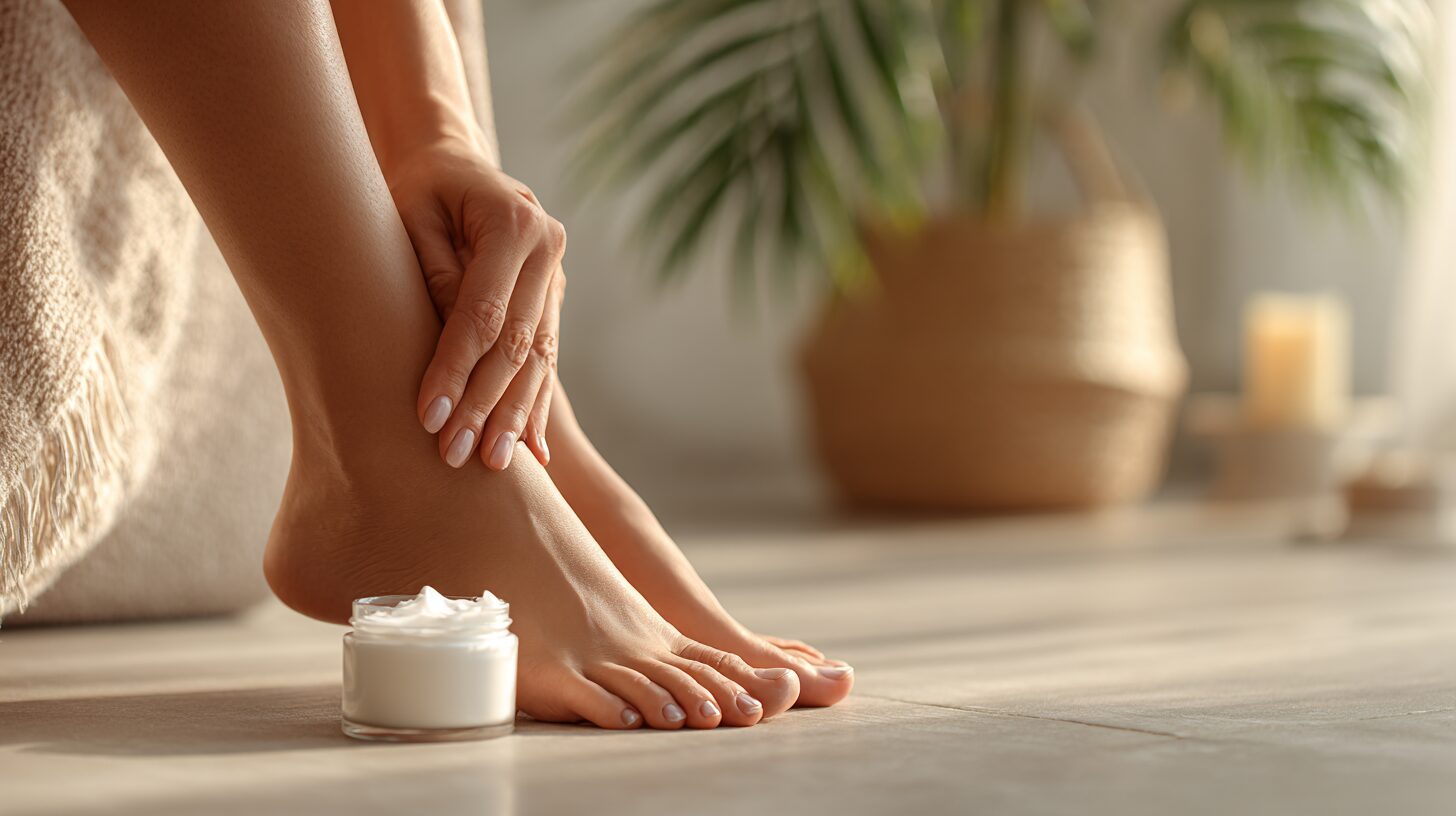
A lot of the time, hands and feet get really dry. Use thick cream at night. Wear cotton gloves or socks after moisturizing.
Step 15: Manage Stress
Stress affects skin health. Yom may try deep breathing, walking, prayer, or meditation. A calm mind supports healthy skin.
Step 16: Be Patient
It takes time for dry skin to heal. If you take care of your skin regularly, you might find that it gets softer in a week, flakes less in two weeks, and is healthier in a month.
Things You Shouldn’t Do
Using hot water, skipping moisturizer, using harsh soaps, exfoliating too much, and expecting results right away.
When to Go to the Doctor
If your dry skin is very bad, painful, bleeding, infected, or not getting better, see a doctor.
Daily Checklist for Dry Skin Care
Use a mild cleaner. Put on moisturizer twice a day. Drink some water. Don’t take hot showers. Use products that are mild. Take care of your skin.
Final Thoughts
To learn how to treat dry skin at home, you need to be consistent and gentle. The treatments you don’t need are not expensive. You need to have easy habits, drink enough water, and be patient. You can get healthy, soft skin again.