
How to Stop Hair Fall Naturally at Home
Many women worry about hair loss at some time in their life. You might find additional hair on your brush, pillow, or shower drain. You may notice that your ponytail is smaller or that your part is bigger than before. It can be terrifying and disheartening to see your hair fall out. A lot of…
Many women worry about hair loss at some time in their life. You might find additional hair on your brush, pillow, or shower drain. You may notice that your ponytail is smaller or that your part is bigger than before. It can be terrifying and disheartening to see your hair fall out. A lot of women base their self-esteem on their hair, so when it starts to come out, their confidence can diminish.
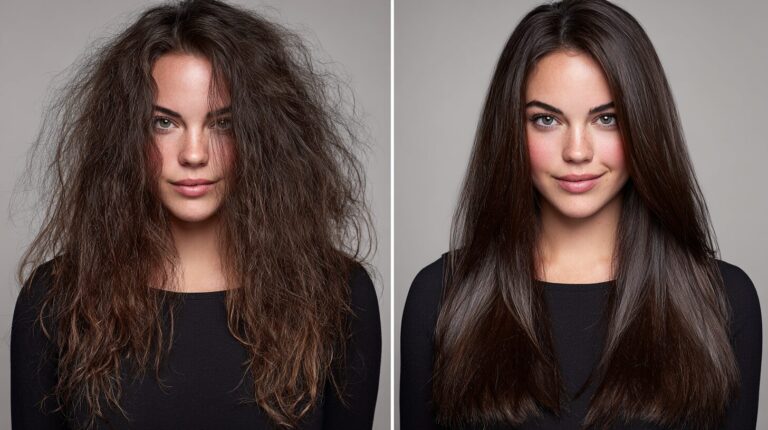
The good news is that most of the time, hair loss isn’t permanent. Stress, bad diet, hormonal changes, damage from style, or an unhealthy scalp are all common reasons why hair falls out. Hair can come back stronger and healthier if these issues are fixed. Now we will know about how to stop hair fall.
You don’t need to go to a salon or use harsh chemicals to stop your hair from falling out. Every day, small, natural habits can have a tremendous effect. This tutorial will show you how to stop hair loss at home in a gentle, realistic, and practical method. It was made just for women. The words are easy to understand. The steps are simple. You can start right away.
What Is Hair Loss?

Hair fall signifies that you’re losing more hair than usual. Every day, it’s normal to lose some hair. Most people lose between 50 and 100 strands of hair per day. This is a normal component of how hair grows.
There are three main stages of hair growth. The first stage is growth. After then, there is a short break. Lastly, hair falls out and fresh hair grows in its place. Hair looks full when this cycle maintains in balance.
When more hair falls out than grows back, hair loss becomes an issue. This makes hair thinner, part lines wider, and hair weaker. Lets start the jounrey.
Why You Lose Hair
There is almost never just one reason for hair loss. A lot of the time, a number of things operate together.
Hormonal fluctuations, stress, a bad diet, not getting enough iron or protein, thyroid difficulties, pregnancy and postpartum changes, menopause, not getting enough sleep, tight hairstyles, heat styling, chemical treatments, scalp accumulation, dehydration, and illness are all common factors.
If you know what can be making your hair fall out, you can choose the best options.
Is It Possible to Stop Hair Loss Naturally?
Yes, in a lot of cases, natural care can help stop hair loss and even bring it back. Hair loss often slows down when you take care of your scalp, eat well, and preserve your hair from harm. Over time, new hair growth gets stronger.
It takes time to use natural approaches. You might not see results right away, but tiny changes you make every day can lead to major improvements.
The One Rule to Stop Hair Loss
Be kind and stick to your plan.
Hair falls out more when it is handled roughly, used with harsh products, and changed all the time. Hair can heal with gentle care and regular practices. Lets get step by step process of how to stop hair loss.
Step 1: Give Your Scalp a Massage Every Day
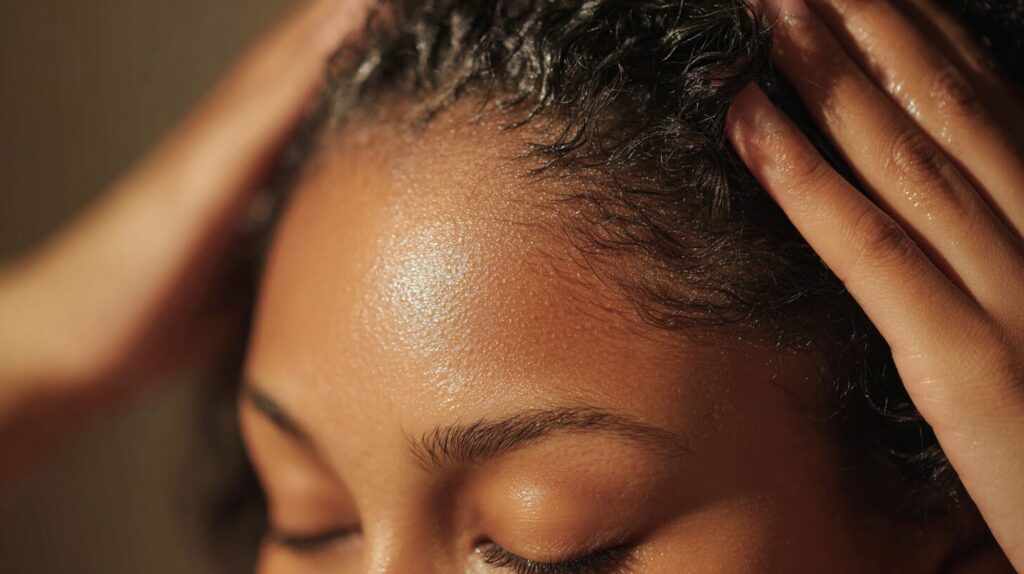
Massage of the scalp helps blood flow to hair follicles. More oxygen and nutrients get to the roots when blood flows better.
Don’t use your nails; use your fingertips. For five to ten minutes per day, rub in tiny circles. You can massage your scalp with or without oil.
Daily massage wakes up weak follicles and over time, it helps hair fall out less.
Step 2: Put Oil on Your Hair Often
Oiling the scalp and hair roots makes them stronger.
Coconut oil, castor oil, almond oil, olive oil, argan oil, and jojoba oil are all good natural oils.
Heat up a little oil and rub it into your hair and scalp. You should leave it on for at least an hour or overnight. Use a mild shampoo to wash.
Do this two or three times a week.
Castor oil is well-known for helping hair grow.
Step 3: Add Onion Juice
Onion juice has a lot of sulfur in it, which helps make collagen and makes hair follicles stronger.
Blend one onion and then drain the juice. Put it on your scalp. Let it sit for 20 to 30 minutes. Use a gentle shampoo to rinse.
Use it two times a week.
After a few weeks, a lot of women report that their hair is falling out less.
Step 4: Put Aloe Vera On
Aloe vera calms the scalp and lessens inflammation. It also helps clear up follicles.
Put fresh aloe vera gel on your scalp. For 30 minutes, leave. Use water or a mild shampoo to rinse.
Two to three times a week is enough.
Step 5: Wash Your Hair Gently
Washing your hair too hard can make it fall out more.
Pick a light shampoo that doesn’t have sulfates in it. You should wash it two to three times a week. Don’t forget to clean the ends of your hair. Rinse carefully. Avoid using hot water.
Step 6: Use Conditioner
Conditioner stops hair from breaking apart and makes it silky.
Do not use conditioner on the scalp. Put conditioner on from the middle of your hair to the ends. Leave for one to two minutes. Wash well.
Don’t ever skip conditioner.
Step 7: Style Your Hair Less with Heat
Heat makes hair weaker and more likely to break.
Don’t use blow dryers, straighteners, or curling irons too much. If you have to use heat, select the lowest setting and apply heat protectant.
It’s better for your health to let things air dry.
Step 8: Don’t Be Rough with Wet Hair
Hair that is wet is weak.
Get a comb with wide teeth. Begin at the ends and move up. Don’t pull or tug.
Don’t brush too hard.
Step 9: Cut Off Split Ends on a Regular Basis
Split ends move higher and break more hair.
Every six to eight weeks, trim.
Hair stays healthier when it is cut regularly.
Step 10: Don’t Wear Tight Hairstyles
Ponytails, buns, and braids that are too tight tug on the roots and make hair fall out.
Pick fashions that aren’t too tight. Use hair ties that are soft.
Step 11: Get Enough Protein
Protein makes up most of hair.
Eat eggs, fish, chicken, beans, lentils, almonds, seeds, yogurt, and tofu.
Try to eat protein with every meal.
Step 12: Make Sure You Have Enough Iron
A lot of ladies lose hair because they don’t get enough iron.
Spinach, lentils, beans, red meat, pumpkin seeds, and dates are among foods that are high in iron.
Talk to a doctor if you think you could be deficient.
Step 13: Put in Vitamins That Are Good for Hair
Vitamins A, C, D, E, biotin, and B vitamins help hair grow.
Every day, eat a lot of different fruits and vegetables.
Step 14: Make Sure You Drink Enough Water
Not drinking enough water is bad for your scalp.
Drink water all day long.
A hydrated scalp helps roots stay robust.
Step 15: Deal with Stress
Stress makes hair fall out.
Do yoga, meditate, pray, write in a journal, or practice deep breathing.
A calm mentality helps hair stay healthy.
Step 16: Get Enough Rest
While you sleep, your hair fixes itself.
Seven to nine hours a night is a good goal.
Step 17: Once a Week, Use Natural Hair Masks
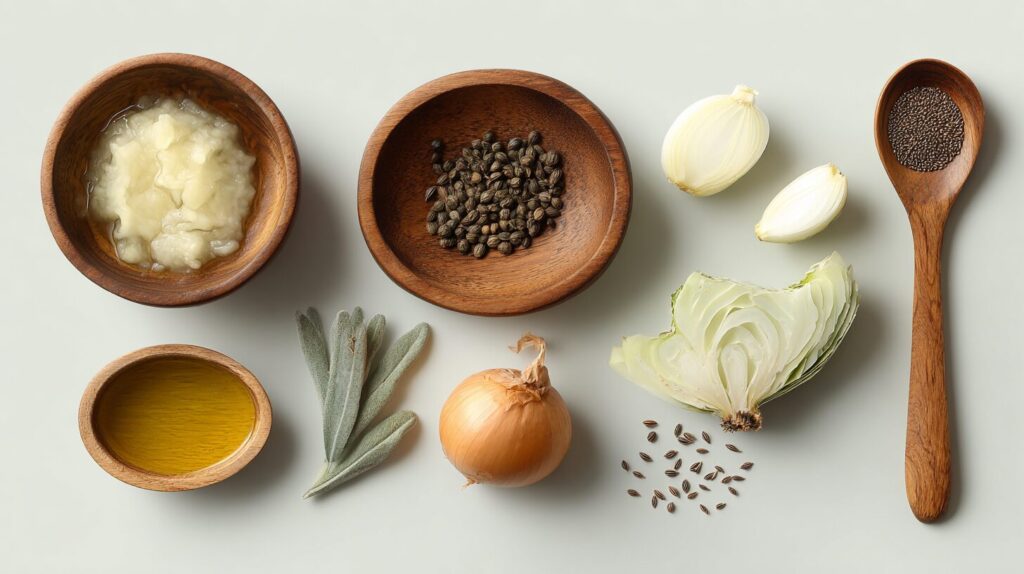
Natural masks give your skin a lot of nourishment.
Some good choices are a mask made of egg and olive oil, yogurt and honey, aloe vera gel, or banana and honey.
Go away for 20 to 30 minutes. Shampoo and rinse.
Once a week is enough.
Step 18: Clean Your Scalp
Follicles get blocked by product buildup.
Stay away from excessive styling products. Be gentle when you need to clarify.
Step 19: Keep Hair Safe from Pollution and the Sun
When you’re outside, wear a cap or scarf. After a lot of perspiration, rinse your hair.
Protection cuts down on harm.
Step 20: Be Patient
It takes time for hair to grow.
In two to four weeks, you might see less shedding. After that in one to two months, there will be new growth. Then in three to six months, your hair will be thicker.
It’s important to be consistent.
Mistakes That Make Hair Fall Out More Often
Washing every day, not using conditioner, brushing too hard, wearing tight styles, using too much heat, crash diets, and neglecting stress.
Myths About Hair Loss
Only items that cost a lot work. Not true.
You can’t stop hair from falling out. Not true.
One medication cures everything. Not true.
Good habits are the finest.
When to Go to the Doctor
If you suddenly lose a lot of hair, have bald spots, scalp pain, itching, or hair loss after being sick, see a doctor.
Checklist for Controlling Hair Fall Every Day
- Massage the scalp
- Put oil on your hair
- Get some protein
- Drink some water
- Take care of stress
- Get a good night’s sleep
- Be kind to your hair
Last Thoughts
Taking care of your body and scalp with patience and consistency is the key to learning how to stop hair loss naturally at home. You don’t need to use severe treatments. You need time, gentle routines, healthy food, water, and ways to deal with stress. Your hair can get stronger. You may stop shedding so much. You can get your confidence back. Take little moves today.