
How to Care for Low Porosity Hair
Low porosity hair can feel confusing. You moisturize it, but it still feels dry. Then you add oil, but it sits on top. You wash it, and buildup comes back fast. If this sounds familiar, you are not alone. Low porosity hair is healthy in many ways, but it needs a different kind of care….
Low porosity hair can feel confusing. You moisturize it, but it still feels dry. Then you add oil, but it sits on top. You wash it, and buildup comes back fast.
If this sounds familiar, you are not alone.
Low porosity hair is healthy in many ways, but it needs a different kind of care. Once you understand how it works, everything becomes easier.
This guide is written in simple language.
It is gentle, practical, and honest.
By the end, you will know exactly how to care for low porosity hair—without stress.
What Is Low Porosity Hair?
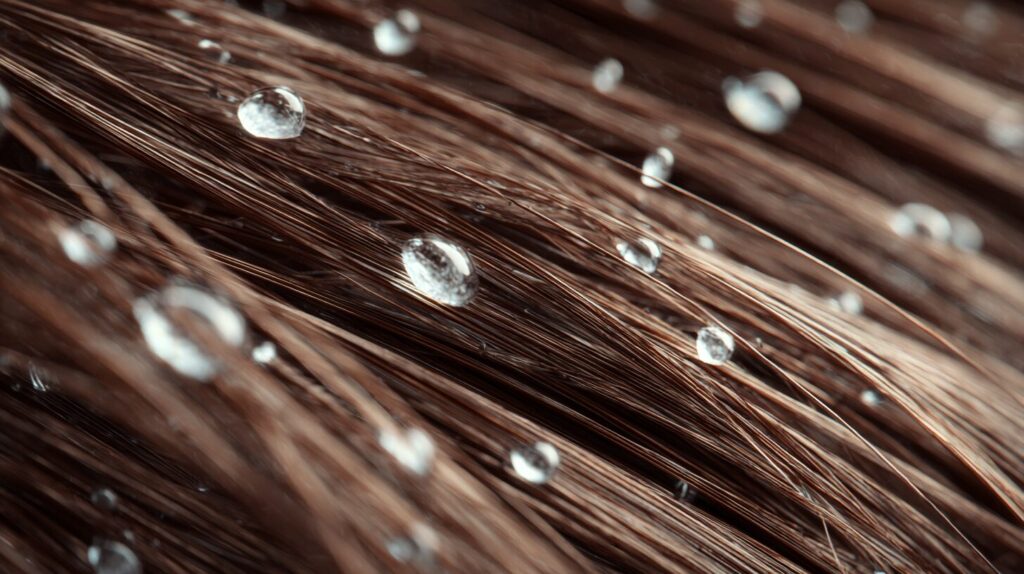
Porosity is how well your hair absorbs and holds moisture.
Low porosity hair has tight, closed cuticles.
Because of this, water and products have a hard time getting inside the hair strand.
Think of it like this:
- Low porosity hair is like a tightly closed door
- Medium porosity hair is a door that opens easily
- High porosity hair is a door that stays open
Your hair is not damaged.
It is just protective by nature.
Signs You Have Low Porosity Hair
You may have low porosity hair if you notice these things:
- Water beads up on your hair instead of soaking in
- Products sit on top and feel greasy
- Hair takes a long time to get fully wet
- Buildup happens quickly
- Hair feels dry even after moisturizing
- Heat helps products work better
If most of these feel true, your hair is likely low porosity.
Why Low Porosity Hair Needs Special Care
Low porosity hair does not like heavy layers.
When you pile on thick products, they stay outside the hair shaft.
This leads to buildup, dullness, and dryness over time.
The goal is simple:
Help moisture get in — and avoid blocking it.
That is the secret.
The Biggest Mistakes People Make With Low Porosity Hair
Before learning what to do, let us talk about what not to do.
1. Using Heavy Oils Too Often
Thick oils like castor oil and heavy butters can seal the hair too soon.
2. Skipping Clarifying Washes
Low porosity hair needs clean cuticles to absorb moisture.
3. Overloading With Protein
Too much protein can make hair stiff and dry.
4. Applying Products on Dry Hair
Dry hair has closed cuticles. Products cannot enter easily.
Avoiding these mistakes can change your hair fast.
How to Moisturize Low Porosity Hair the Right Way
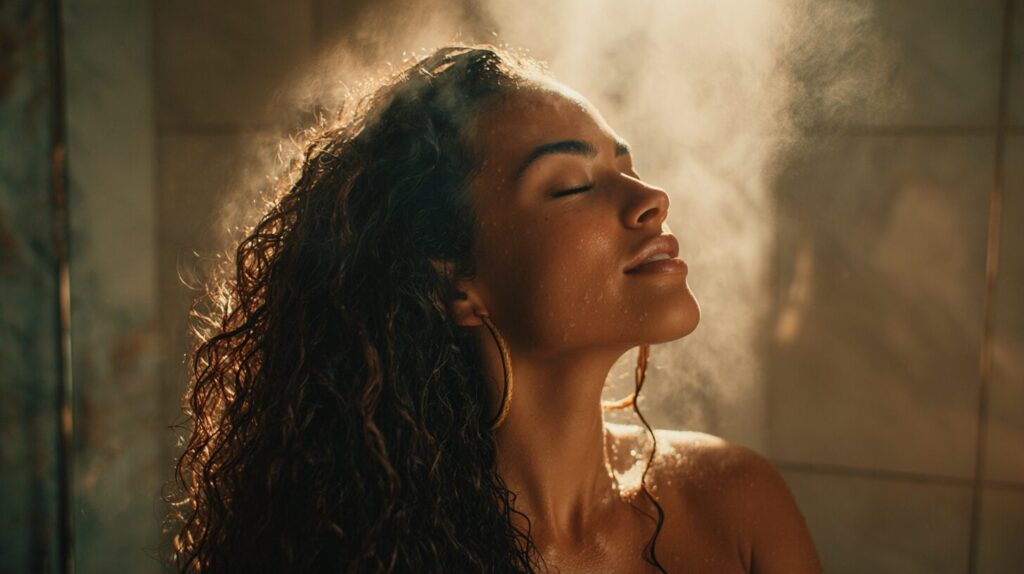
Moisture is not the enemy.
The method matters more than the product.
Always Start With Water
Water is the best moisturizer.
- Apply products on wet or damp hair
- Use warm water when possible
- Do not let hair dry before moisturizing
Use the “Liquid First” Rule
Always layer like this:
- Water
- Lightweight leave-in
- Light oil or serum (optional)
Never reverse the order.
Best Ingredients for Low Porosity Hair
Ingredients matter more than brand names.
Lightweight Moisturizers
Look for:
- Aloe vera
- Glycerin
- Honey
- Panthenol
These pull moisture into the hair without buildup.
Light Oils That Work Well
Choose oils that absorb easily:
- Argan oil
- Jojoba oil
- Grapeseed oil
- Sweet almond oil
Use them sparingly.
Ingredients to Use Carefully
These are not bad, but can cause buildup if overused:
- Shea butter
- Coconut oil
- Castor oil
- Heavy silicones
Balance is key.
Washing Low Porosity Hair
Clean hair absorbs moisture better.
How Often Should You Wash?
Most people with low porosity hair do well with:
- Washing every 7–10 days
If your scalp gets oily fast, adjust as needed.
Use a Clarifying Shampoo
Clarifying shampoos remove buildup.
- Use once every 3–4 weeks
- Follow with deep conditioning
Do not be afraid of them.
They help your hair, not harm it.
Deep Conditioning Low Porosity Hair
This step is very important.
Low porosity hair loves heat during conditioning.
Best Way to Deep Condition
- Apply conditioner on clean, damp hair
- Use a shower cap
- Add gentle heat (warm towel or steamer)
- Leave on for 20–30 minutes
Heat opens the cuticles and lets moisture in.
What to Look For in a Deep Conditioner
- No heavy waxes
- Moderate protein or protein-free
- Moisture-focused formulas
If hair feels hard after conditioning, reduce protein.
Protein and Low Porosity Hair
Protein is not evil.
Too much is the problem.
Signs of Protein Overload
- Hair feels stiff
- Hair breaks easily
- Hair looks dull
If this happens:
- Stop protein treatments
- Focus on moisture only for a few weeks
Most low-porosity hair needs less protein than average.
Styling Tips for Low Porosity Hair
Apply Products on Damp Hair
This is non-negotiable.
Damp hair absorbs better than dry hair.
Use Thin Layers
- Small amount
- Smooth it in
- Add more only if needed
Heavy layers block moisture.
Avoid Product Mixing Overload
Using too many products together causes buildup.
Simple routines work best.
Heat: Friend or Enemy?
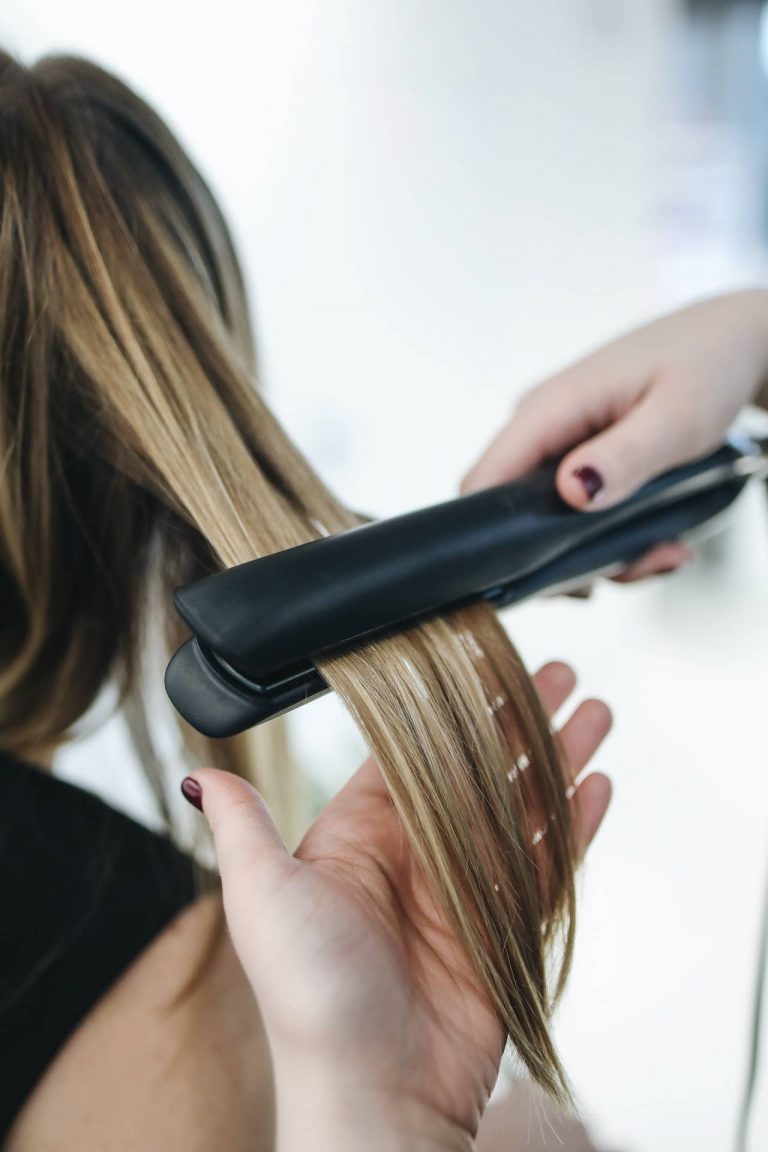
For low porosity hair, gentle heat can be helpful.
- Steam treatments improve moisture
- Warm water opens cuticles
- Heat caps boost conditioners
Avoid excessive heat styling, but do not fear warmth during care.
Protective Styling for Low Porosity Hair
Protective styles help retain moisture.
Good options include:
- Braids
- Twists
- Buns
- Low manipulation styles
Before styling:
- Clean hair
- Moisturize properly
- Avoid heavy gels
Moisture first. Style second.
Night Care for Low Porosity Hair
Night care prevents dryness and breakage.
Simple Night Routine
- Lightly mist hair with water
- Apply a small amount of leave-in
- Cover with satin or silk
Avoid thick oils at night unless hair is very dry.
How to Tell If Your Routine Is Working
Your hair will tell you.
Good signs:
- Hair feels soft
- Hair looks shiny
- Less product buildup
- Moisture lasts longer
If hair feels greasy but dry, adjust product weight.
Seasonal Care Tips
In Hot Weather
- Use lighter products
- Wash buildup more often
- Protect hair from sun
In Cold Weather
- Moisturize more often
- Use gentle heat treatments
- Protect hair from dry air
Low porosity hair changes with the weather.
Simple Weekly Routine Example
Here is a gentle routine you can follow:
Wash Day
- Cleanse with gentle shampoo
- Deep condition with heat
- Rinse with cool water
Moisturize
- Apply leave-in on damp hair
- Seal lightly if needed
Midweek
- Light water mist
- Refresh with small leave-in
Simple works.
Myths About Low Porosity Hair
“Low porosity hair cannot be moisturized.”
False. It just needs help opening the cuticle.
“Oils are bad for low porosity hair.”
False. Heavy oils used wrongly are the problem.
“Protein is always bad.”
False. Balance matters.
Be Patient With Your Hair
Hair care is not a race. Low porosity hair takes time to respond, but once it does, it thrives.
- Listen to your hair.
- Adjust slowly.
- Do not chase trends.
Healthy hair is quiet, soft, and balanced.
Final Thoughts
Caring for low porosity hair is about understanding it, not fighting it.
- Keep hair clean
- Use water first
- Choose lightweight products
- Use gentle heat when needed
Low porosity hair is not difficult.
It is simply selective.
With patience and the right care, it becomes soft, shiny, and strong.