

How to Control Anxiety and Stress – 20 Easy Ways
Feeling anxious or stressed is very common. Almost everyone feels it at some point in life. Stress can come from work, family pressure, money problems, or health worries. Sometimes, it appears for no clear reason at all. Anxiety and stress do not mean you are weak. They mean you are human. The good news is…
Feeling anxious or stressed is very common. Almost everyone feels it at some point in life. Stress can come from work, family pressure, money problems, or health worries. Sometimes, it appears for no clear reason at all.
Anxiety and stress do not mean you are weak. They mean you are human.
The good news is that anxiety and stress can be controlled in simple, gentle ways. You do not need expensive therapy tools, and you do not need to change your whole life overnight. Small daily steps are enough to begin.
This guide shares 20 easy ways to control anxiety and stress. The methods are realistic, simple, and suitable for everyday life at home.
Why Anxiety and Stress Happen

Stress is your body’s natural alarm system. It tries to protect you when something feels wrong or dangerous. Anxiety happens when this alarm stays active for too long without rest.
Common causes of anxiety and stress include too much work, family pressure, money worries, health fears, poor sleep, negative thinking, and lack of rest. When stress builds up over time, both the mind and body become tired. Learning how to calm both is the key to feeling better.
You Do Not Need to Remove Stress Completely
It is important to understand that stress cannot be removed completely from life, and it does not need to be. The goal is not to stop stress, but to control it so it does not control you. Small, steady habits can bring real relief.
20 Easy Ways to Control Anxiety and Stress
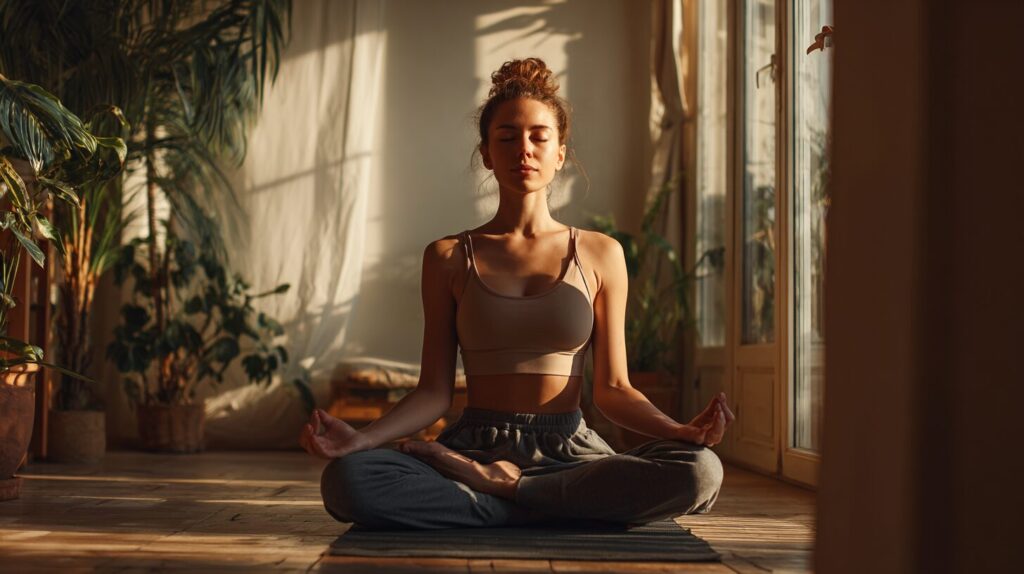
1. Take Slow, Deep Breaths
Breathing is the fastest way to calm the body. When stressed, breathing becomes fast and shallow. Breathe in slowly through your nose, hold for three seconds, and breathe out slowly through your mouth. Repeat this for two to three minutes to help your body relax.
2. Wake Up Without Rushing
Starting the day in a hurry increases stress. Waking up ten to fifteen minutes earlier allows time to sit quietly, stretch lightly, and breathe calmly. A peaceful morning helps the entire day feel more balanced.
3. Limit News and Social Media
Too much news and social media can increase anxiety. Negative news, online arguments, and constant comparison affect mental peace. Limit news checking to once or twice a day and reduce phone use before bedtime.
4. Move Your Body Gently
Hard exercise is not required. Gentle movement such as walking, stretching, light yoga, or even household work helps release stress hormones. Even ten minutes can make a difference.
5. Drink Enough Water
Dehydration can increase anxiety and fatigue. When the body lacks water, stress feels heavier. Drink water regularly throughout the day. Sometimes stress is simply a sign of thirst.
6. Get Enough Sleep
Poor sleep increases anxiety. Try to sleep at the same time every night, avoid screens before bed, and keep your room calm and dark. Rest is not a luxury; it is a basic need.
7. Write Down Your Thoughts
When worries stay in the mind, they grow stronger. Writing thoughts down helps release them. Write freely without judging your words, then close the notebook. This simple habit can make the mind feel lighter.
8. Break Big Problems Into Small Steps
Big problems feel overwhelming, while small steps feel manageable. Instead of asking how to fix everything, ask what one small action you can take today. Progress reduces anxiety.
9. Eat Regular, Balanced Meals
Skipping meals can increase stress and anxiety. Low blood sugar may cause irritation, weakness, and nervousness. Eat regular meals with simple, healthy foods and reduce excess sugar and caffeine.
10. Spend Time in Silence

Silence is healing. Sitting quietly without a phone, closing your eyes, and focusing on your breath for even five minutes gives the mind needed rest.
11. Talk to Someone You Trust
You do not have to manage everything alone. Talking to a trusted friend or family member reduces emotional weight. Sharing feelings is a sign of strength, not weakness.
12. Learn to Say No
Saying yes to everything increases stress. You are allowed to rest, take breaks, and choose yourself. Saying no is healthy and necessary.
13. Focus on What You Can Control
Some things are beyond your control, and worrying about them drains energy. Focus instead on your actions, habits, and reactions. Control creates calm.
14. Practice Gratitude Daily
Gratitude shifts attention from fear to comfort. Each day, think of one thing you are thankful for, even if it is small. Gratitude helps calm the mind.
15. Reduce Caffeine Intake
Too much caffeine can increase anxiety by causing a fast heartbeat, nervousness, and poor sleep. Reduce coffee, energy drinks, and strong tea, and replace them with water or herbal tea.
16. Create a Simple Daily Routine
Uncertainty increases stress. A simple routine with regular waking times, meals, and sleep schedules gives life structure and safety.
17. Spend Time in Nature
Nature naturally calms the nervous system. Walking outside, sitting near plants, or feeling sunlight helps the body relax.
18. Be Kind to Yourself
Many people feel anxious because they are too hard on themselves. Allow yourself to make mistakes, learn slowly, and rest without guilt. Kind self-talk matters.
19. Avoid Perfection Thinking
Perfection creates pressure. Nothing needs to be perfect to be okay. Let go of unrealistic expectations and constant self-criticism. When pressure reduces, peace grows.
20. Ask for Professional Help When Needed
If anxiety feels constant or overwhelming, professional help is important. Seeking help is not failure; it is care. You deserve support and peace.
How Long Does It Take to Feel Better?

Relief does not happen overnight, but small changes add up. Many people notice less tension in one to two weeks, better sleep in about a month, and more calm with consistent habits. Healing takes time, but it is possible.
Daily Stress-Control Checklist
Breathe slowly, eat regular meals, drink water, move gently, sleep well, and speak kindly to yourself. Simple habits truly matter.
Common Myths About Anxiety and Stress
Strong people do feel anxiety. Stress does not mean failure; it means you care. You do not need to fix everything at once. Small steps work best.
Final Thoughts
Learning how to control anxiety and stress is a journey. Some days will feel easy, and some days will feel hard. Both are normal. Be patient with yourself and care for your mind as you care for your body. Peace grows slowly, one calm moment at a time. You are not alone, and you are doing your best.